
Not every household item responds the same way once it is packed and placed in storage. Some belongings can maintain their condition for months when they are cleaned, wrapped, and arranged properly. Others may bend, melt, crack, or lose quality when they sit too long in a closed space without the right preparation.
Poor storage planning can lead to warped furniture, damaged paperwork, cracked materials, musty fabrics, and boxes that become hard to sort later. Understanding what belongs in a storage unit, what needs more care, and what should stay somewhere else can help you make better decisions before moving day.
A clear household storage plan can help you sort what stores well, what needs more care, and how to organize a storage unit so your belongings are easier to manage over time.
Household Items That Usually Store Well
Many everyday belongings hold up well in storage when they are clean, dry, and packed with care. Items made with sturdy materials tend to handle short-term and long-term storage better, especially when they are placed in boxes, bins, or covers that match their size and material.
Common household items that usually store well include:
- Furniture. Wipe down wood, metal, or plastic pieces before storing them, and use breathable covers when possible.
- Seasonal decorations. Pack holiday decor in labeled bins so each category is easier to find later.
- Books and paperwork. Store these items in sealed containers to limit dust exposure and reduce bending.
- Kitchenware. Wrap dishes, glasses, and serving pieces so they do not shift inside the box.
- Clothing and bedding. Wash and dry fabric items completely before placing them in boxes or storage bags.
- Small appliances. Clean each appliance, remove crumbs or residue, and pack cords with the item they belong to.
These items still need a plan before they go into a storage unit. Grouping similar belongings together can help you find what you need without opening several boxes, especially as you organize your household storage solutions around categories, access, and frequency of use.
Household Items That Benefit From Extra Prep Before Storage
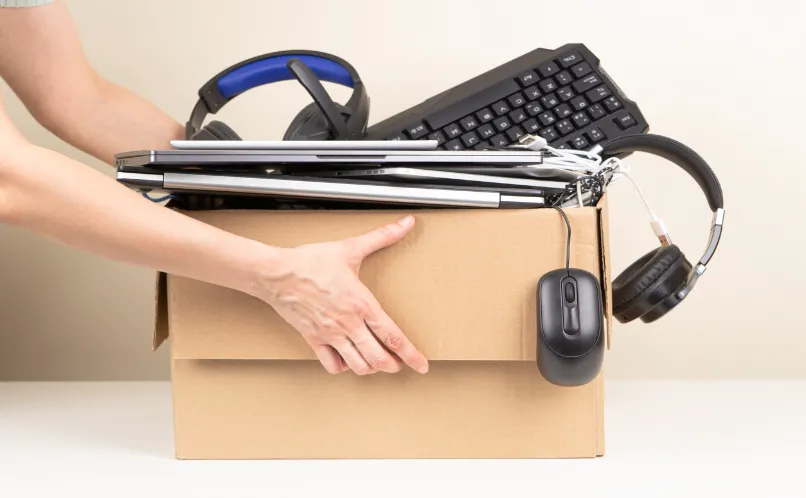
Some household items are better prepared with more than a basic box or cover. Materials that react to pressure, leftover moisture, dust, or temperature changes should be handled with a little more care before they are placed in a storage unit.
Before packing these items, take a few extra steps based on the material:
- Electronics. Use cushioning around screens, monitors, and small devices, and keep cords, chargers, or accessories with the item they belong to.
- Framed photos, mirrors, and artwork. Store these pieces upright when possible instead of laying them flat under heavier boxes.
- Mattresses and upholstered furniture. Make sure these items are completely dry before covering them with breathable materials.
- Wood furniture. Wipe down surfaces, remove detachable legs or shelves when possible, and avoid stacking heavy boxes on top of finished pieces.
- Metal tools and patio items. Clean and dry these items before storage so residue does not sit on the surface over time.
As you sort what belongs in a storage unit and what needs more preparation, our storage moving guide can help you plan each step before packing begin
How To Prepare Your Belongings for Storage
A good packing process starts before anything goes into a box. Once you know what belongs in your storage unit, focus on creating a setup that keeps items organized and easier to access later.
Use these steps before packing:
- Sort by category—Group furniture pieces, kitchen items, documents, seasonal decor, and electronics before choosing boxes or bins.
- Choose the right materials—Sturdy boxes, cushioning, tape, covers, and labels help separate items and reduce shifting during transport.
- Label with detail—Write what is inside each box instead of using broad labels like “miscellaneous” or “household.”
- Plan your storage unit layout—Place heavier boxes on the bottom, keep frequently used items near the front, and leave a small path when possible.
The right packing and moving supplies can make this process more organized by helping you wrap, seal, label, and separate items before they go into storage. A little planning up front can also help you avoid overcrowding your storage unit later.
How To Organize a Storage Unit for Long-Term Storage

Long-term storage is easier to manage when your storage unit has a clear layout. A packed space may seem practical at first, but it can become frustrating later if you need to reach a box buried near the back.
Place larger furniture pieces along the walls and stack heavier boxes on the bottom. Keep seasonal items together, and leave a small path when possible so you can reach what you need without moving several boxes.
Before you finish packing, use our storage unit size guide to estimate how much room your belongings may need. Choosing the right amount of space can help your storage unit stay organized as storage time increases.
Make Smarter Storage Decisions With Saf Keep Storage
Knowing what belongs in a storage unit and what needs more preparation can help you avoid common storage issues. A clear plan also makes it easier to organize household items for short-term transitions or long-term storage.
Saf Keep Storage can help you find space for furniture, seasonal decor, boxed household items, and more. Review our FAQ page as you plan your next storage rental, or contact us online to rent a storage unit with help from our team.